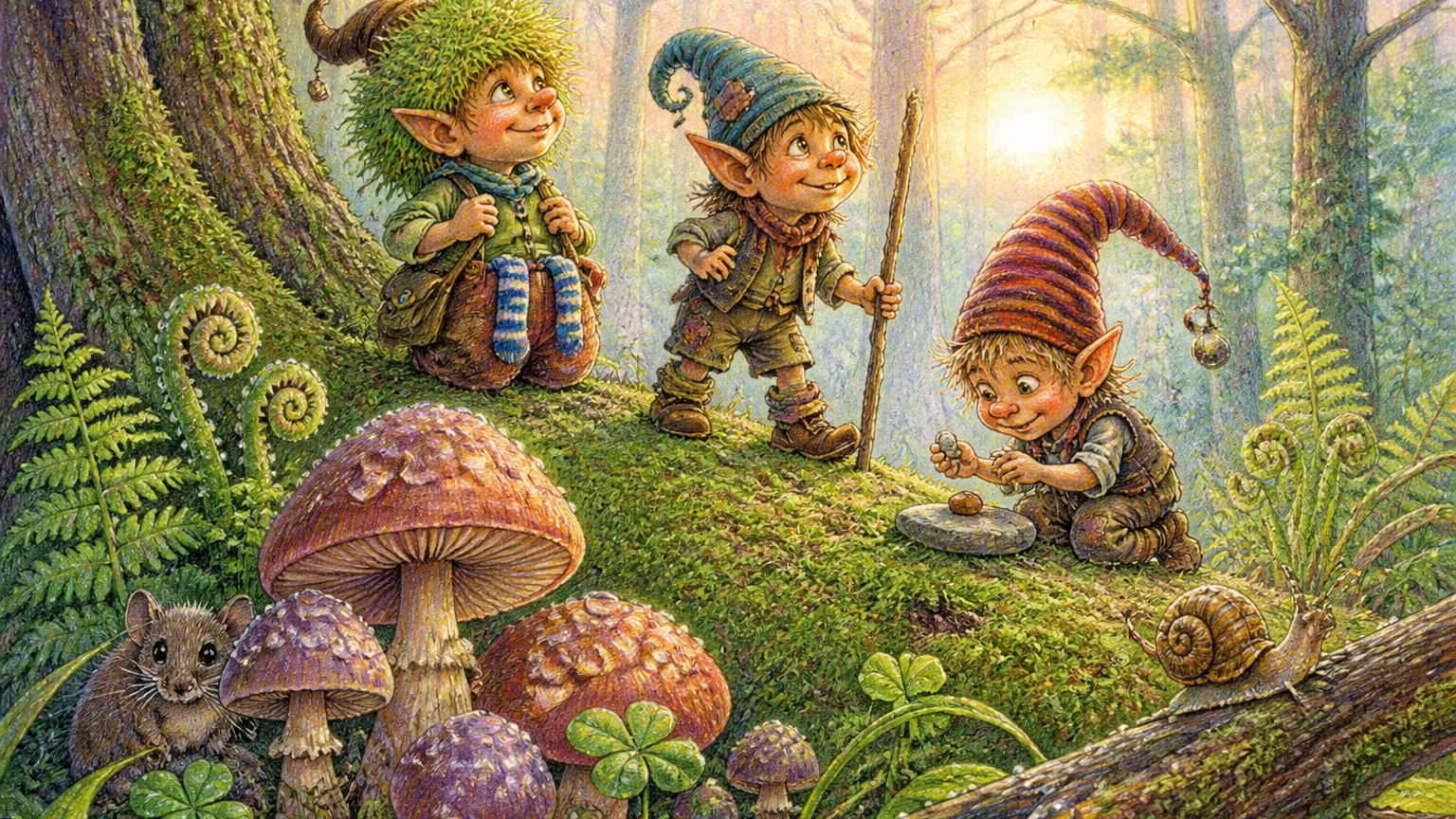
If there's one thing that defines the Magikitos, apart from their mischievous smiles and their suspicious relationship with missing socks, it's how much they love the forest. They see a mushroom and they're already thinking about where to hang a hammock. They see a root and it looks like a perfect bench for discussing matters of absolutely no importance.
That small, damp world full of nooks and crannies gives us endless stories to invent. And the more we pay attention to the real forest, the more things we find that don't need any tricks to leave us open-mouthed.
Why do the Magikitos live in the forest?
Because, in our stories, the forest is their home. The story is simple: the Magikitos have always been there, like the moss, and they let themselves be seen when someone passes by with real joy. Then come the mischief, the snacks, and the conversations with neighbors who wear mushroom hats.
The Taramundi forests are part of that imaginary world. The mist, the wet leaves and the shapes of the trunks invite you to look twice. A shadow looks like an ear. A branch looks like an arm. If a sock is missing too, we start to get suspicious.
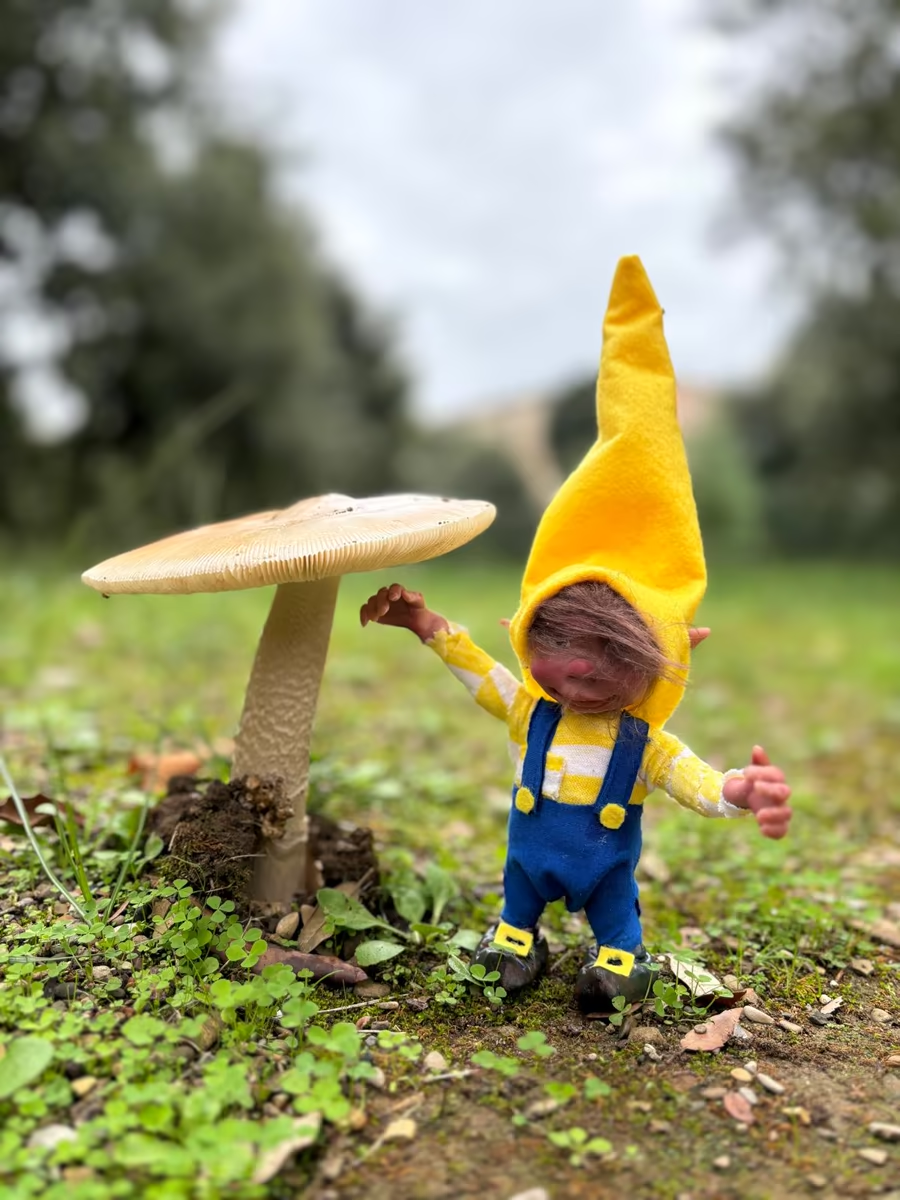
Imagining a conversation with a mushroom is part of the game. Watching how it grows, where it appears and what changes around it opens up another story just as interesting.
You don't need to know the names of everything to start. You can notice the shape of the cap, the light that reaches it or the drops that stay on top. Looking is already doing something.
Moss has a life of its own
In the stories, moss serves as a mattress. In the forest it's a plant: it doesn't produce flowers and it reproduces by spores. It can retain water and help keep the environment humid, as Kew explains.
Looking at it up close changes the whole picture. What from a distance looked like a green stain fills with tiny shapes. It makes you want to put up a ladder and open a guesthouse for Brownies. But moss stays where it is: that guesthouse may already have guests.
The mushroom you see isn't the whole fungus
A mushroom can look like it just arrived, as if someone placed it there overnight. It's the reproductive structure of a fungus. The mycelium, a network of filaments, can remain hidden in the soil or in wood. Kew explains that less visible part.
So when the mushroom disappears, the whole fungus doesn't necessarily have to be gone. The neighborhood has more rooms than you can see from the street. If you like that mix of curiosity and story, keep going with the relationship between mushrooms and Brownies.
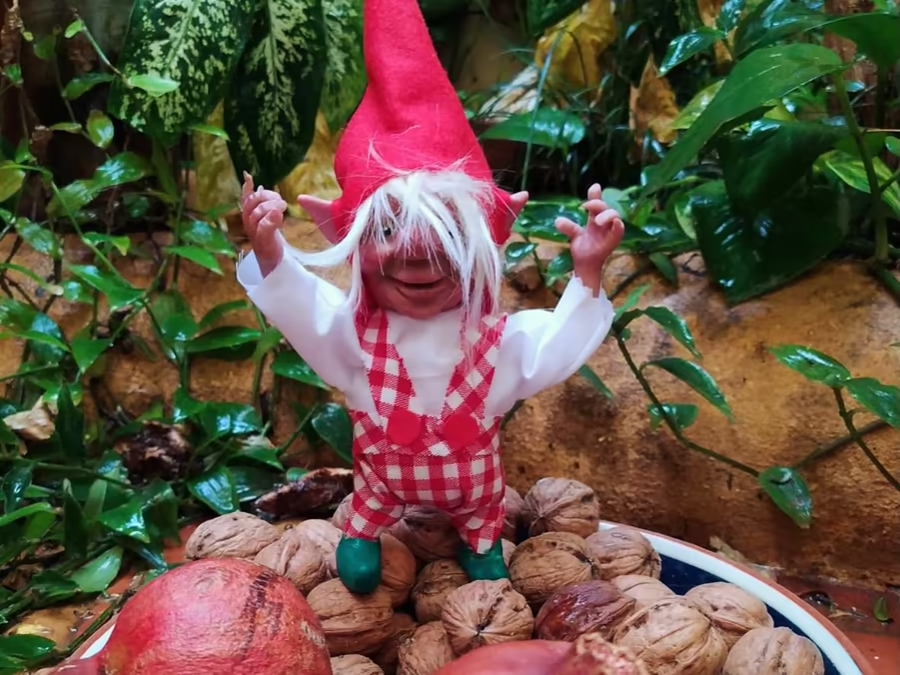
The shapes of walnuts, the red of a pomegranate or a leaf changing color also inspire us. Not everything has to become a big revelation. Sometimes it's enough to think "look what a pretty thing" and keep enjoying the moment.
Figures inspired by the forest
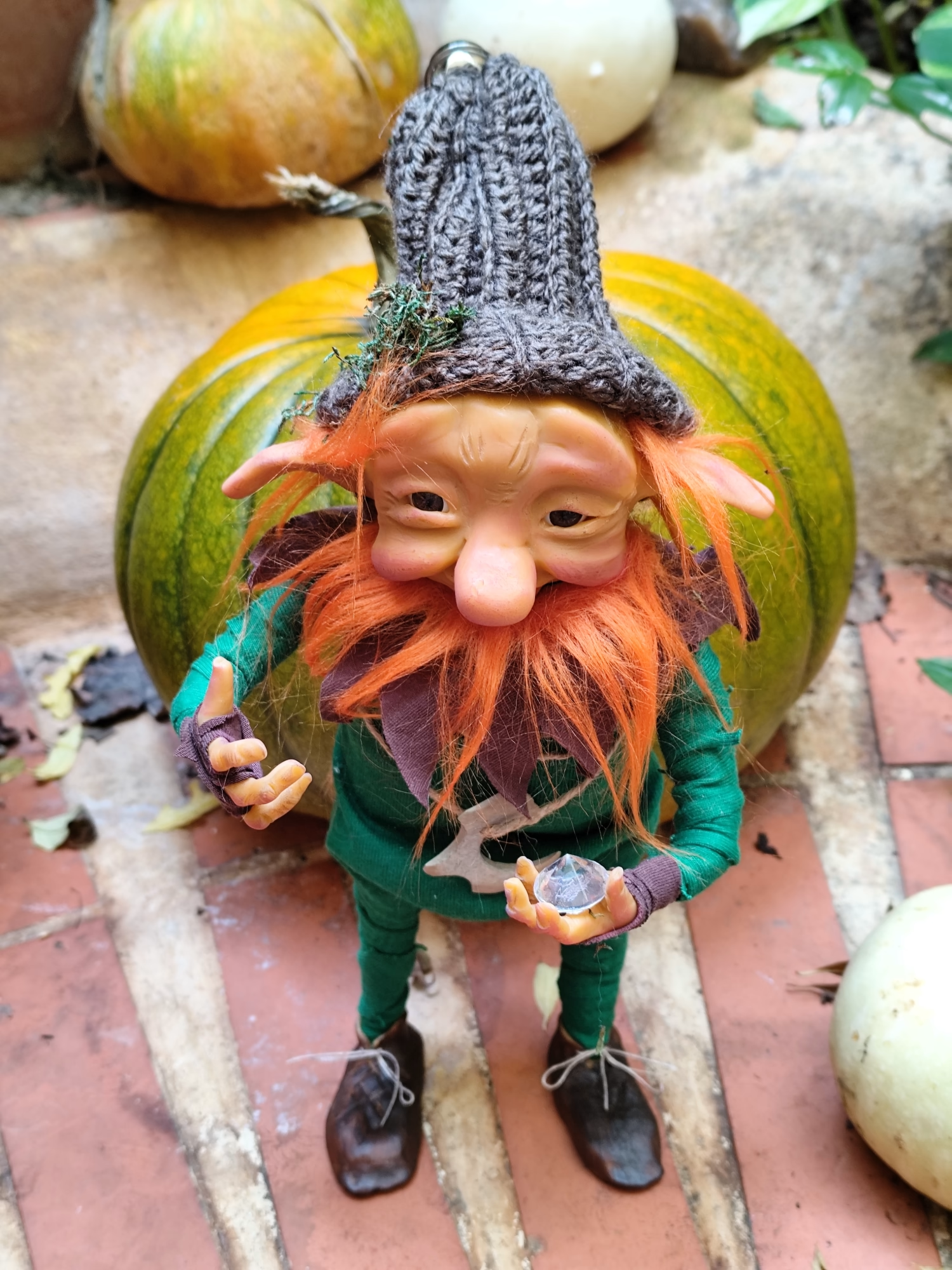
The cold porcelain figures are handcrafted representations of those Brownies. Their faces, their clothes and their details tell stories of the forest. That appearance doesn't mean they are made only with things gathered from among the trees, nor does it guarantee the origin of every ornament.
To learn about the craft, you can read how Magikitos are represented in figures. To meet the characters, you have the gang in the Brownies section. The forest inspires the shapes and the stories, and we can enjoy both without taking pieces of it home.
A collection of memories that leaves the forest in its place
Instead of pulling up moss or peeling off bark, try keeping a photo, a drawing or a description. Fallen wood also serves as habitat. Forestry England recommends leaving flowers, fungi and dead wood where they are when visiting its ancient woodlands.
In each place, follow the signs and guidance of the space. Stick to the paths and avoid stepping on vegetation just to get a photo. A photo loses a lot of its charm if you dismantled the scenery to take it.
We like to look slowly, at a gentle pace: return to the same tree, listen for a while or discover what has changed after the rain. Shinrin-yoku is a Japanese practice that invites you to enjoy the forest through your senses. You can also go for a walk and see what catches your attention.
How can I enjoy nature if I live in the city?
Start with something you have nearby and feel like observing. A street tree, the clouds from your window or a plant you can care for already give you a lot. You don't need to turn your living room into a jungle or travel for miles.
- Look at the same spot for several days. Maybe shoots appear or the shadow changes.
- Keep a detail. A photo or two lines in a notebook can preserve the memory without picking anything up.
- Find a time that works for you. It can be a walk, an accessible bench or looking from home. There's no minimum distance.
- Make room for what you like. A plant suited to the light you have, a drawing or a photo can keep you company without becoming another obligation.
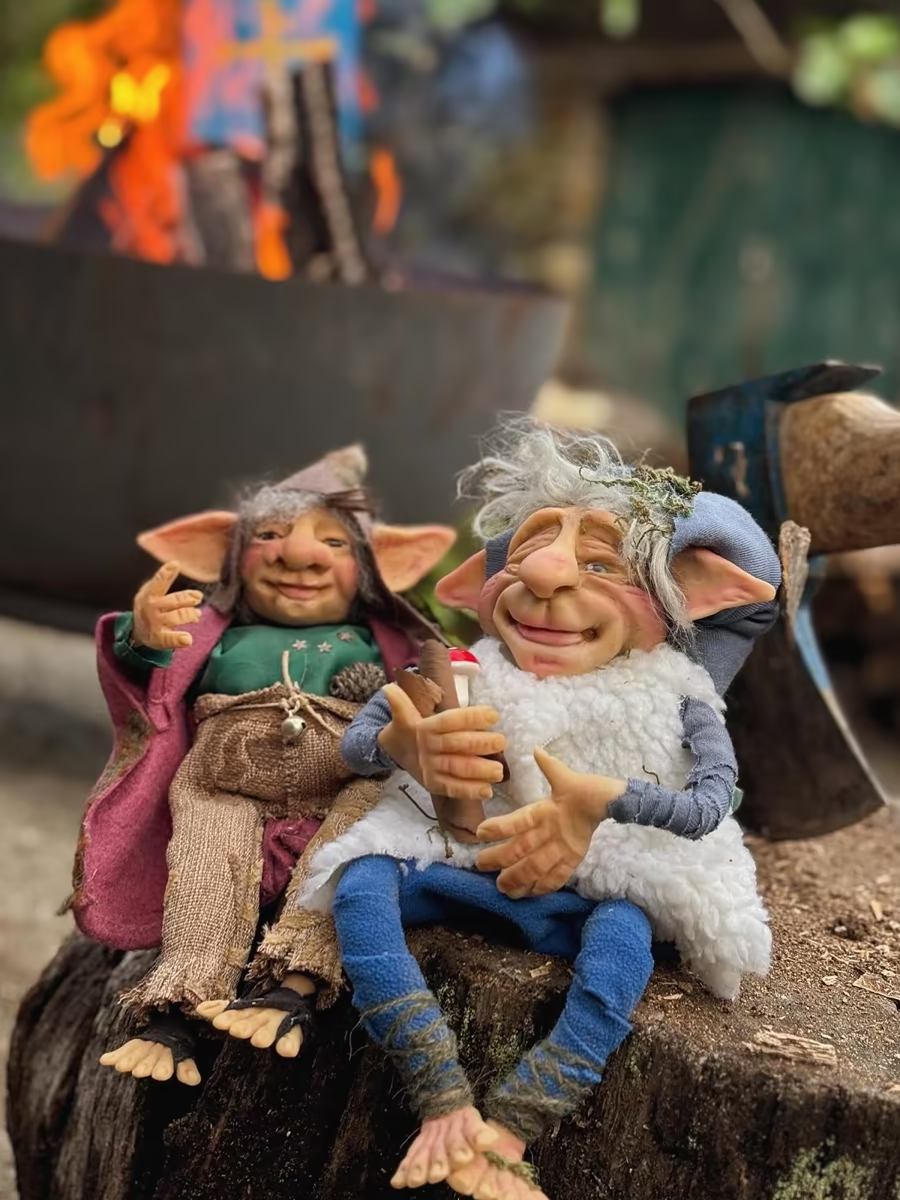
The Magikitos remind us of that love for stopping at the little things. An afternoon can give you a whole story, or simply a pleasant moment. Both are fine.
And if the missing sock appears, even better. The Brownie who was wearing it will have to explain.