Not every fairy comes into the world the same way. Some are born in the silence of a kiln at twelve hundred degrees. Others take shape in the patient hands of someone working wool with no hurry except what the material itself sets. The end result looks similar from a distance, a small creature perched on your shelf with that knowing expression, but the difference running through each one is as deep as the gap between a photograph of a forest and the actual forest.
If you're thinking about bringing a fairy figurine into your space, or giving one as a gift, and you're not sure where to start: this is your place. We'll walk through the most common types of handmade fairy figurines, what material each one carries, and how to know which is yours. No fluff, no shop catalogue.
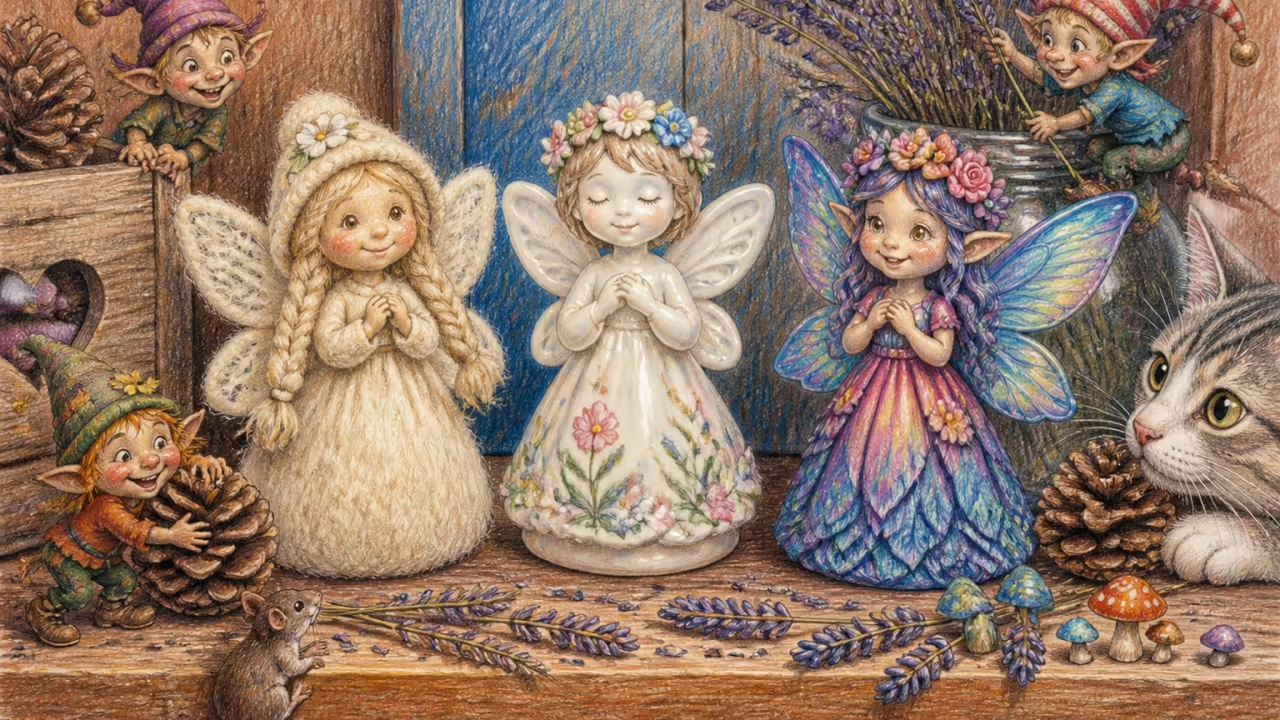
Wool felt fairies (the Waldorf family)
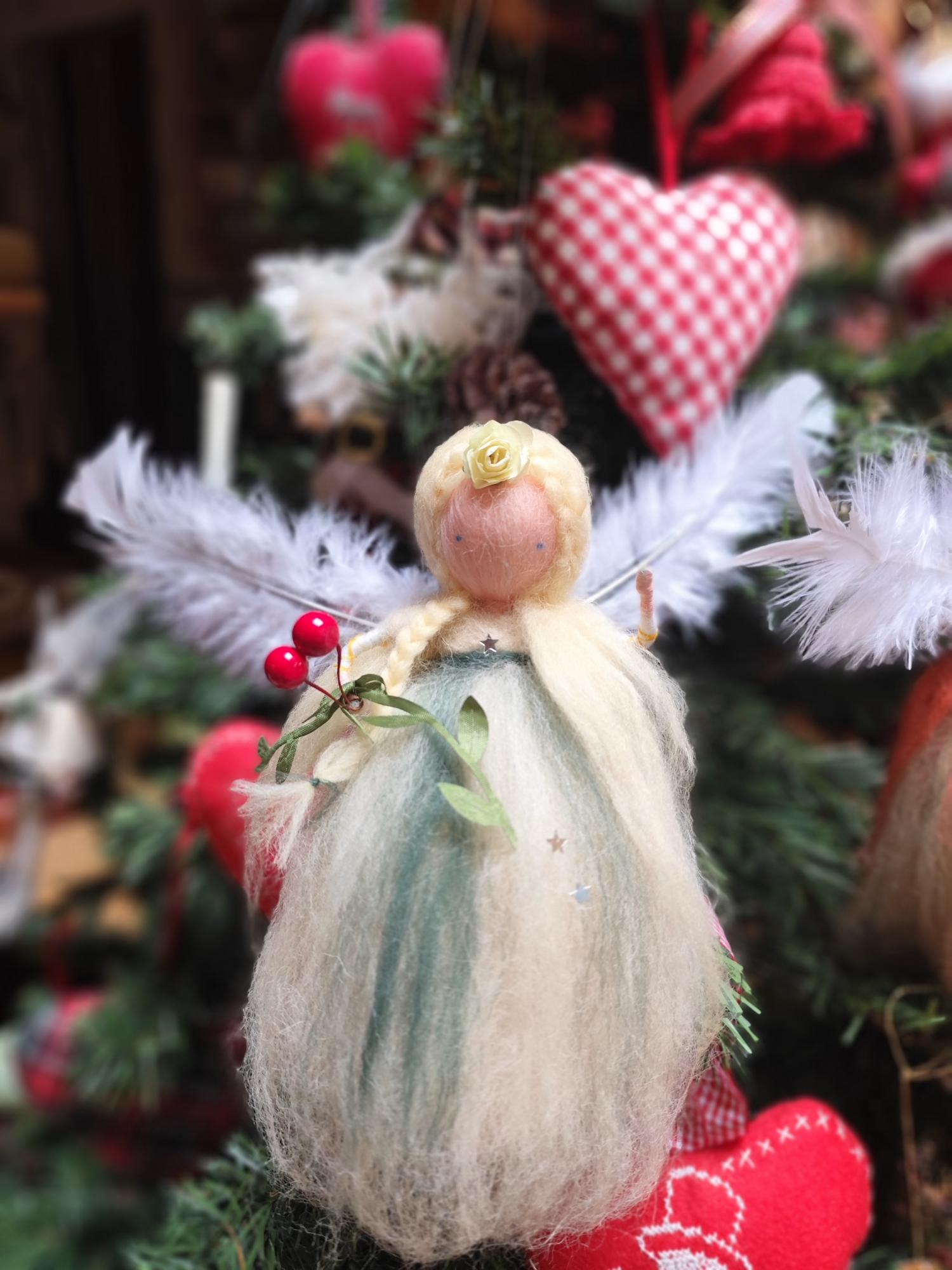
Wool felt fairies are made from carded wool using needle felting. This technique ties these figures to the Waldorf educational tradition and to a particular way of thinking about objects: natural, organic, with no hard edges. The process can't be rushed. No mould speeds up what hands have to do, and you can feel that in the result.
Wool is warm and light, and it catches light in a way that ceramic or resin simply don't. A wool fairy on a windowsill receives the afternoon differently. She feels made by someone, and that's not packaging poetry, it's the physics of natural materials doing their quiet work.
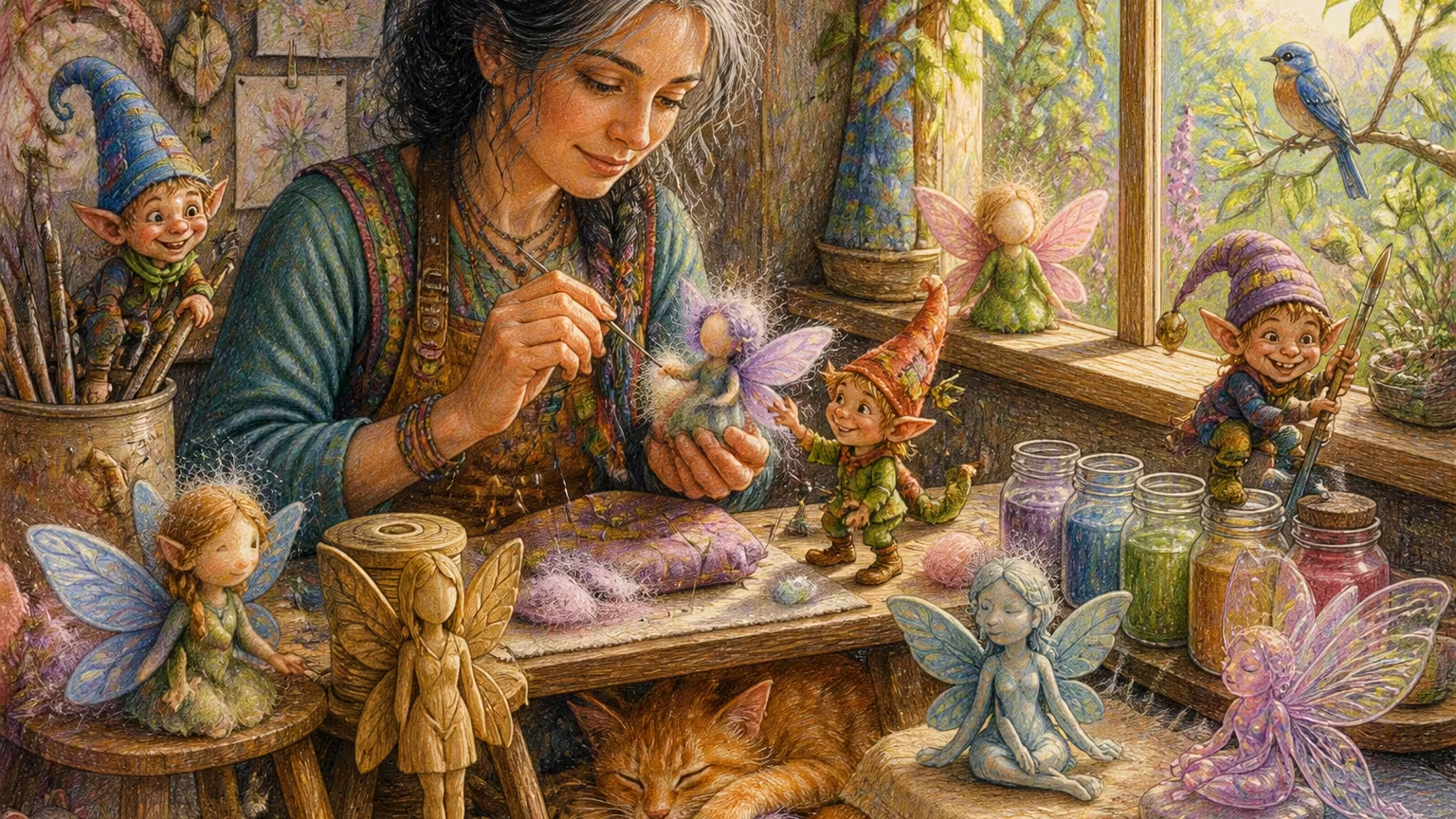
Magikitos fairies belong to this lineage. Each one leaves Carmen's workshop in Taramundi one piece at a time, with no shortcuts. If you want to understand why that matters, the piece on handmade versus mass production explains it better than we could in two paragraphs.
Ceramic and porcelain fairies
Ceramic has centuries behind it. A ceramic fairy can be as fine as Sunday-best porcelain or as solid as a country pottery bowl. It all depends on the clay, the process, and the hands. Porcelain gives that thin translucency that makes a piece look lit from within. Heavier earthenware gives weight and permanence. Both last decades without complaint.
The weakness is the obvious one with this material: they're fragile. One knock and they're gone. But that also makes them special: they ask you to care about them properly.
Resin fairies
Resin is the most common material in the decorative figurine market right now. It allows incredibly fine detail, vivid colours, and surface effects that imitate almost anything. The quality range is huge: from factory production lines to one-of-a-kind studio pieces where every colour is a considered choice.
The trick is knowing how to tell them apart. An industrial resin fairy and an artisan resin fairy share a material name but come from entirely different worlds. Hand-sculpted figures without moulds breaks that difference down in detail. When you're looking at a resin fairy, watch for signs of individual process: slight colour variation, a description of how it was made, the absence of machine-perfect uniformity.
Carved wood fairies
Carved wood has a different kind of presence. It's direct, with the memory of the tree still in the grain. Wood fairies tend to be more abstract than resin or ceramic ones, with less figurative detail but a warmth you feel in a different way. They suit spaces where natural materials lead and where objects are meant to last generations without ageing poorly.
Polymer clay fairies
Polymer clay is the material independent artists love. You can work at home without a ceramic kiln, it's light, the colour mixing is nearly limitless, and when the maker has real skill the level of detail can be extraordinary. Many artists use it to create unique pieces with very specific characters. Its weak point is greater sensitivity to extreme heat than ceramic, but for indoor use it holds up perfectly well.
How to choose yours
Three questions work as a compass: what kind of space do you have? What do you want the figure for? And how do you treat the objects that matter to you?
If your space has natural light, wood and textiles, wool or carved wood will fit without forcing anything. A cleaner, more minimal space with ceramic elements will suit fine porcelain better. If you want bold colour and strong visual character, artisan resin is your ally. For a rustic space with its own personality, carved wood never goes wrong.
Intention changes the picture too. Do you want a fairy you can move around, touch, keep close without worry? Wool handles daily affection better than porcelain. Is this a gift for someone with an immaculate shelf? Fine ceramic might be perfect. And if you're unsure whether to go with a Brownie or a Fairy for the person receiving it, the piece on Brownies and Fairies and their key differences can help you narrow it down.
What's the difference between a wool felt fairy and a Waldorf fairy?
In practice, almost nothing: a Waldorf fairy is a wool felt fairy. "Waldorf" describes the educational philosophy that popularised this kind of figure in Europe in the twentieth century, with natural materials, no fixed facial expression so imagination can roam freely, and no plastics, but the base technique is the same: carded wool, needle or wet felting, no production lines. The real distinction is between the original Waldorf spirit, austere and faceless, and the contemporary interpretation by today's makers, who keep the technique but bring their own voice to it.
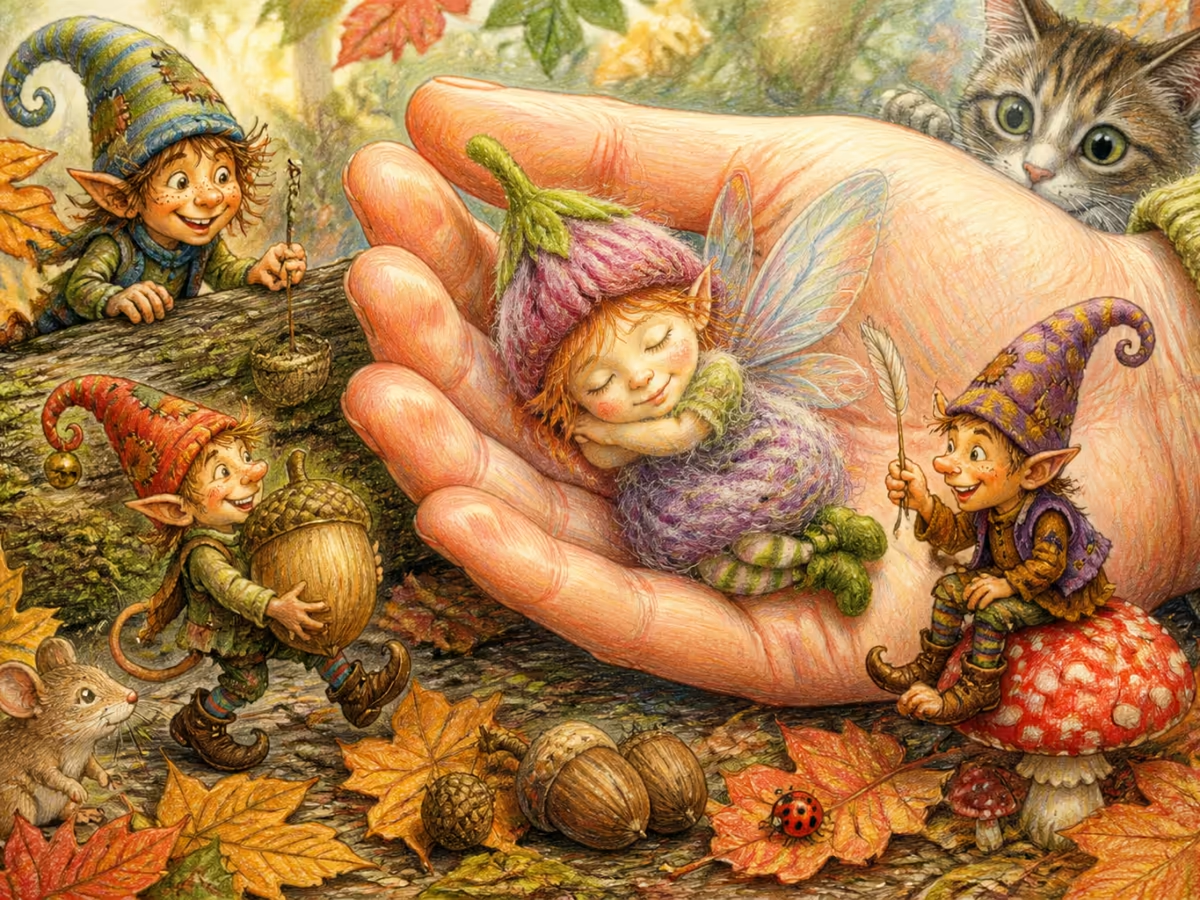
Magikitos fairies inherit the technique and spirit of that tradition and make it their own with the personality that only comes from Taramundi. If you want to go deeper into where fairies come from and how they've shifted across the centuries, the piece on fairy history from Celtic legends to Studio Ghibli has a lot to explore.
Are handcrafted fairy figurines a good gift?
They're among the best gifts you can give when the person has any kind of connection to magic, craft, or objects that tell a story. A handcrafted figure carries the history of the hands that made it, and you feel that the moment you pick it up: in the weight, the texture, the small imperfection that makes it unrepeatable. That opening moment when someone realises what they're holding didn't come off a conveyor belt is something very few gifts can create.
Wool felt fairies are especially good for gifting because they're soft, light, and carry a wide range of meaning: home guardians, dream companions, luck bringers. You can choose the spark that fits the person receiving it and the gift already carries a story before they open it.
And if your new fairy needs company in her corner of the world, our collection of printable fairy colouring pages is the perfect complement: free printables from the same Magikitos world, for whoever still needs a little more magic than they already have.