
Travelling Light
A rubbish sleeping bag, two cut-price hammocks and Eva’s grandfather
“And the chocolate?” said Gorgorito. “Did they nick that and all, you muppet?”
He was sitting on his chest. Axel wasn’t asleep. He’d spent two hours under Eva’s plastic sheet, stretched between two trees, covered with the tartan blanket she’d thrown over him without asking, his eyes open in the dark.
“They did.”
“Well, that’s shit.”
He stayed sitting there, not moving, very serious. After a while he gave Axel two little pats on the chin with his tiny hand.
“That’s shit,” he said again.
And he was gone.
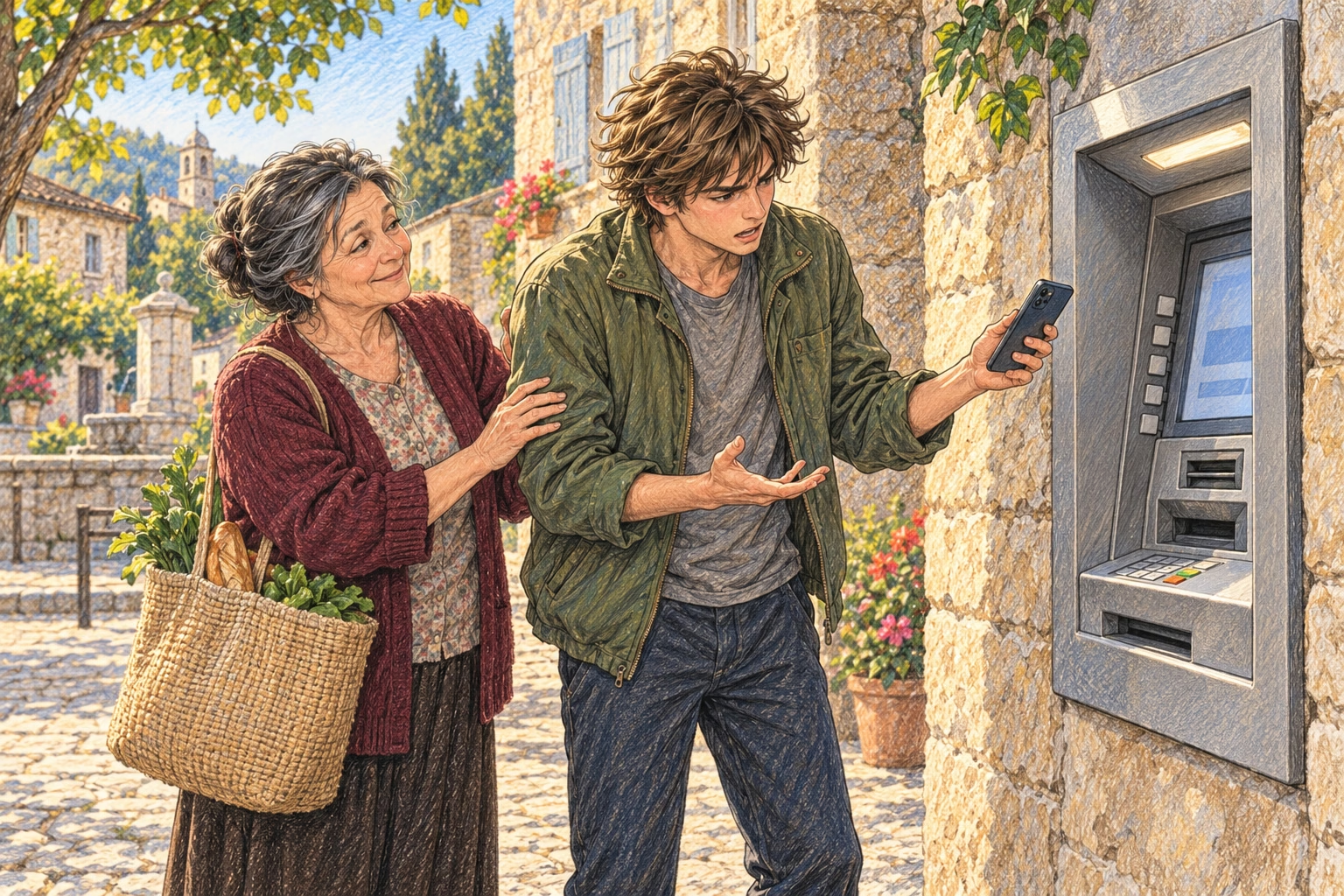
Axel was unbearable for two days, and the worst of it was that he knew and couldn’t stop. He even picked a fight with a cash machine that wouldn’t read his phone and seemed bent on swallowing the whole screen.
“It’s a phone, not a sandwich!” he told the machine.
A woman waiting behind him put her hand on his arm.
“He’s like that with everyone, son. With my husband too.”
He got cross with a forty-euro sleeping bag that was rubbish and that he bought anyway because there wasn’t another one. And above all with himself. Eva had told him people came through there. He told himself that about two hundred times.
Eva didn’t tell him once.
On the second day, going up a hill, he said “sorry” to Eva, who was walking ahead. She raised a hand without turning round.
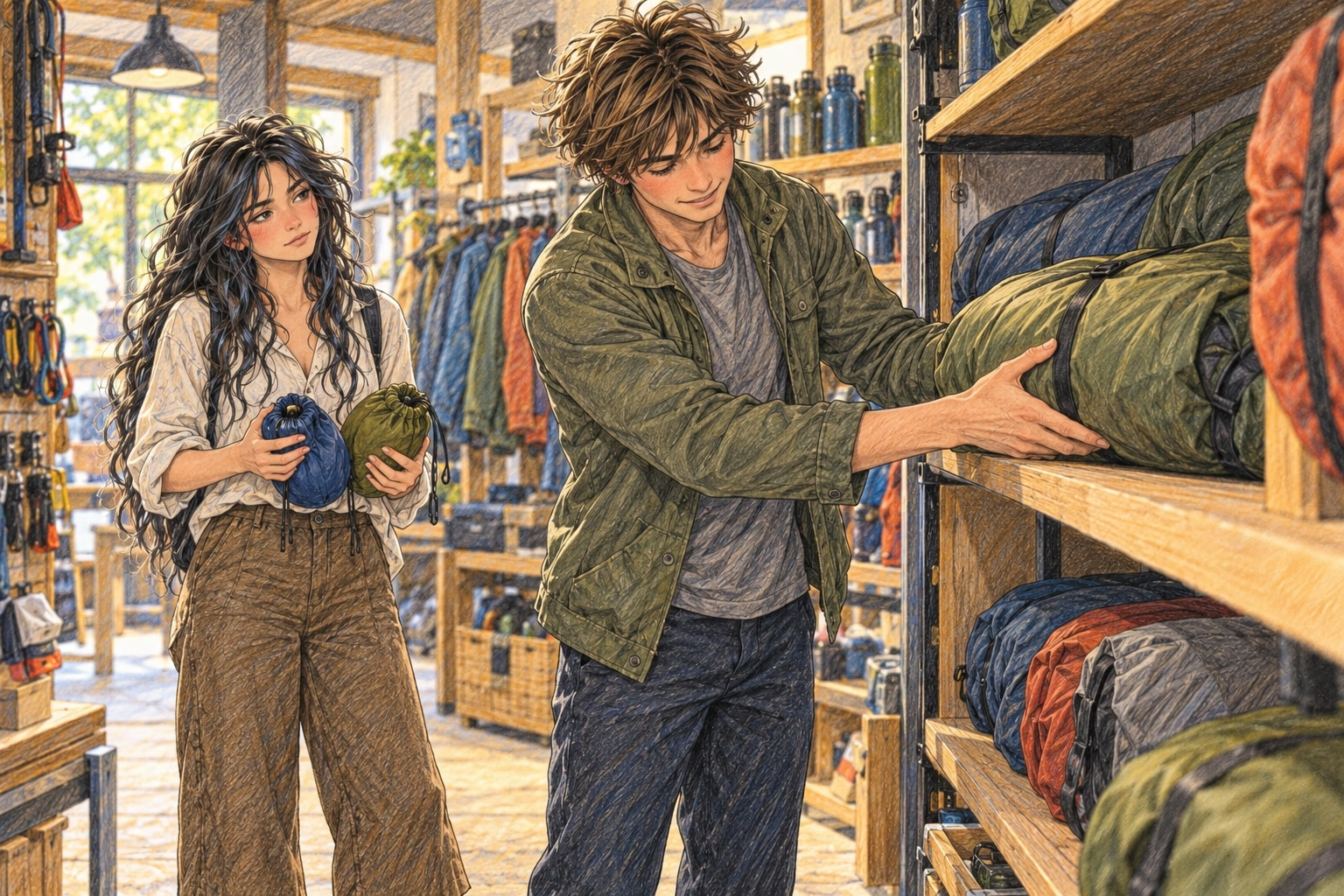
On the third day they reached Vega del Fresno, a district capital with two streets and a sports shop that smelled of rubber. At the back Axel found a tent just like his, checked the hundred-and-twenty-euro price tag and picked it up.
He was already heading for the till with the tent under his arm when Eva stopped in front of a wire stand with a handwritten sign.
HAMMOCKS. 19.90. CLEARANCE.
“No,” said Axel.
“I haven’t said anything.”
“It’s written all over you.”
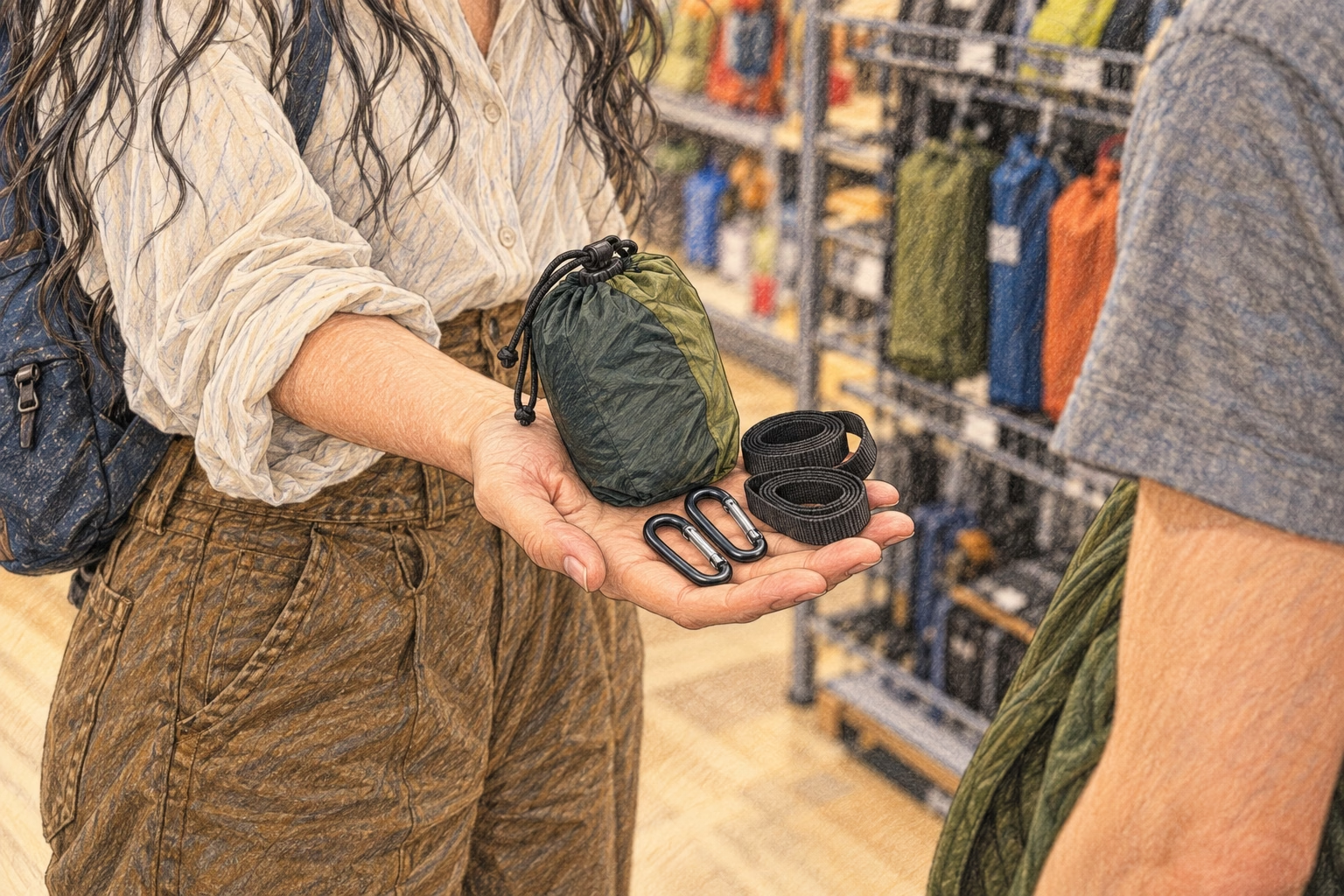
Eva took one down. A little bag the size of a fist, with two straps and two carabiners.
“Four hundred grams.”
“Eva, love, nobody sleeps in a hammock.”
“Have you ever slept in one?”
“No.”
“Ah.”
“It’s just if it rains…”
“It rains for half an hour in the afternoon and stops.”
“It’s just if it’s cold…”
“It’s June.”
“It’s just you can’t keep your stuff in a hammock.”
Eva looked at him the way you look at a kid asking if we’re nearly there yet.
“Axel. What stuff?”
Axel had no answer. He had the clothes on his back, a lousy sleeping bag and a speaker that was worth nothing.
He put the tent back on its shelf.
They came out with two hammocks, two T-shirts on offer, a pair of trousers that itched, a pitiful little screw-on stove and the very weird feeling that they’d cheated.
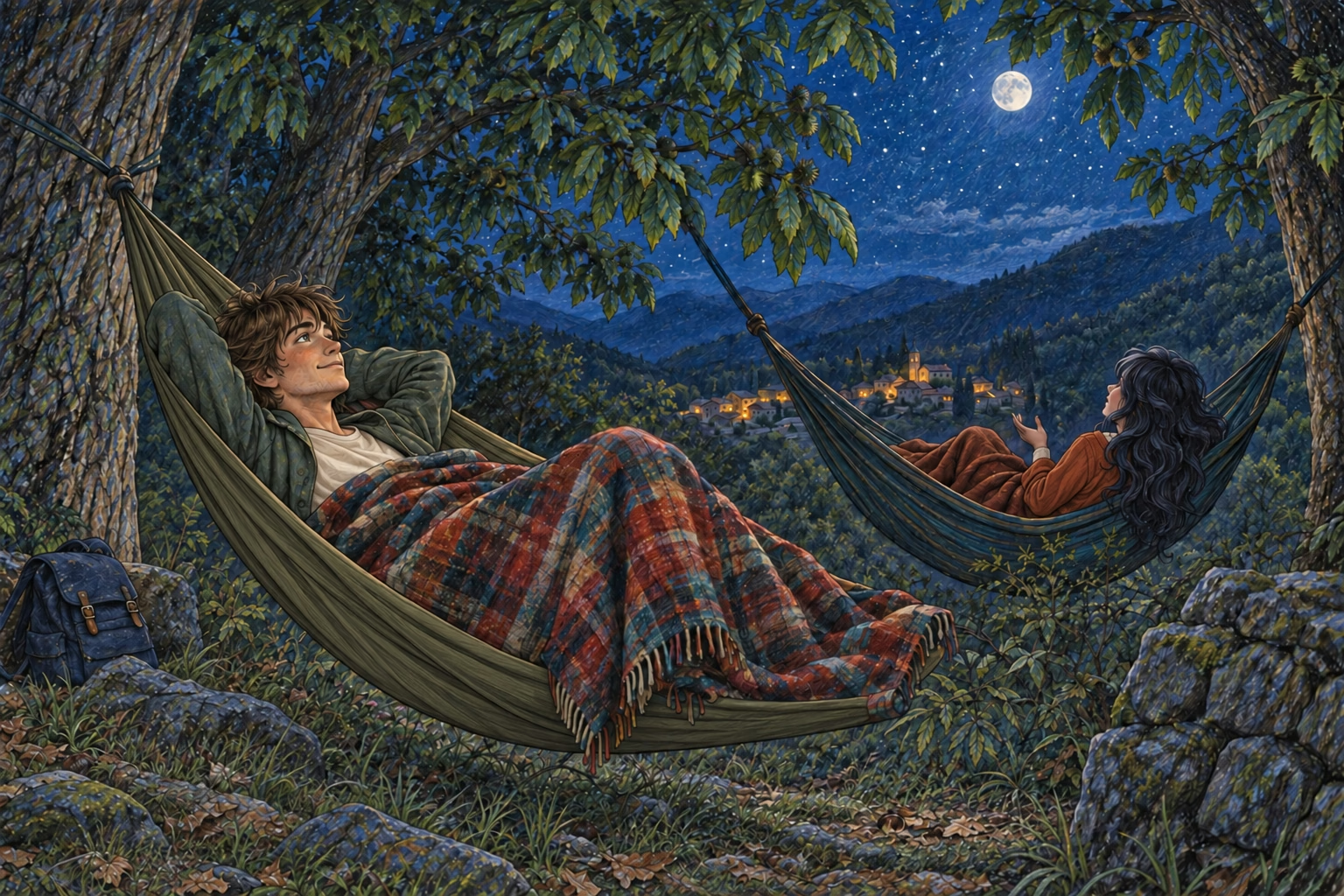
The first night they spent forty minutes hanging the hammocks between two chestnut trees. Axel got into his with complete confidence, rolled over and came out the other side. On his second attempt he managed to stay in, but with one foot dangling and his neck bent like a chicken’s.
Four metres away, Eva hadn’t made a sound for ten minutes.
“You all right?”
“I’m perfectly fine.”
“You’re not perfectly fine.”
“I’m a metre off the ground looking up at the treetops with my bum in the air. I’m a lot better than perfectly fine.”
“You’ve slept strung up in the air before.”

“In a fishing net, a whole summer. Go to sleep.”
Half an hour later he discovered he needed to lie diagonally and got comfortable with the checked blanket up to his chin. The hammock swayed a little with each breath, and he could see stars between the branches. The thought that there was nothing under his arse but air was rather unsettling.
“Eva.”
“What?”
“What fishing net?”
The hammock rustled as Eva turned towards him.
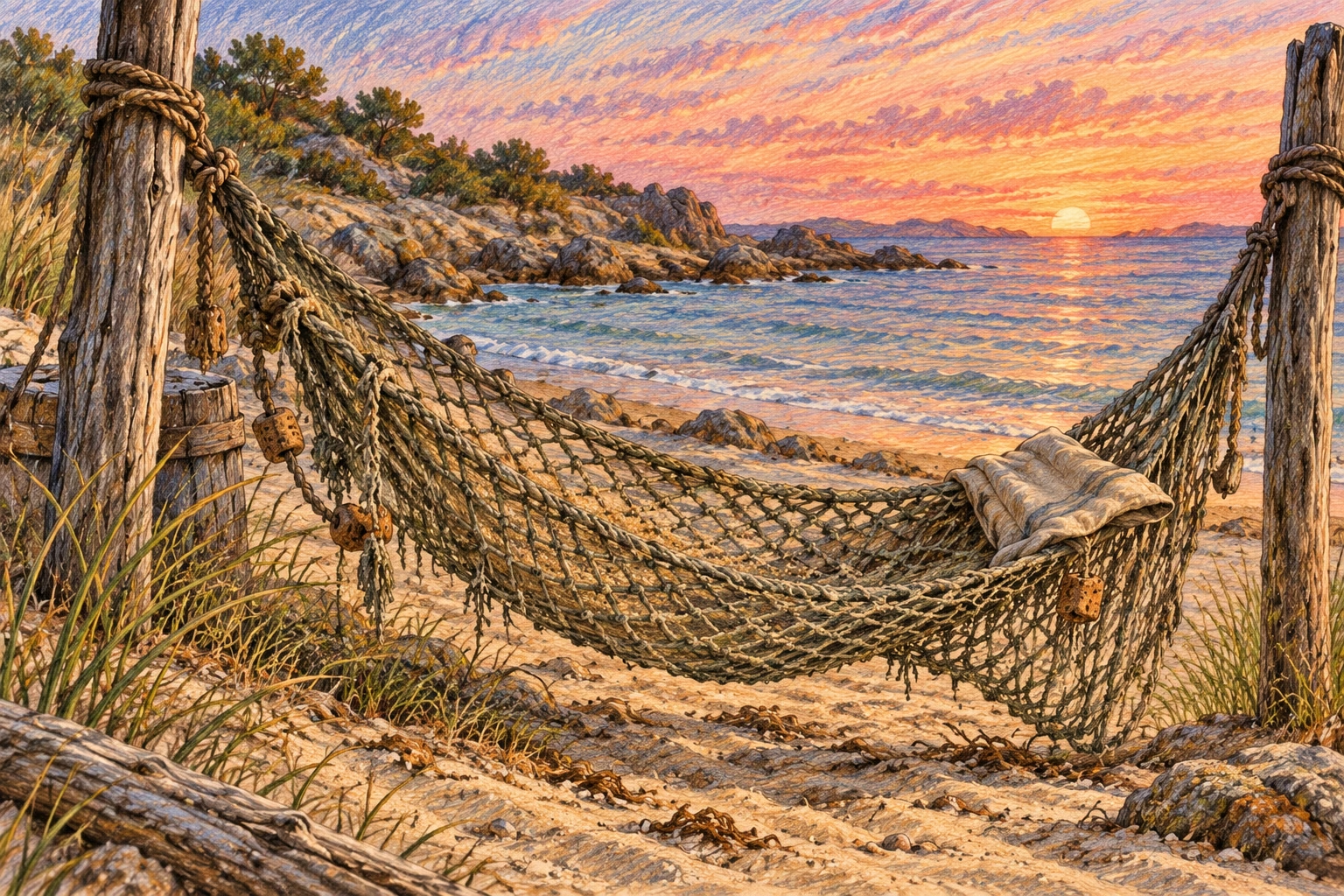
“A camp. In Marazul, in August. There was an old net strung between two posts and I saw it and knew you could sleep in it. With sand even in my teeth.”
“What camp?”
Eva took her time.
“My grandfather’s. My dad’s dad. He was in a mountain club in his village. A clubhouse with a stove and twelve sixty-year-old men who smelled of woodsmoke. And he used to take me. From when I was six. Saturdays, and two camps a year.”
Axel stopped shifting about and listened to her.
“That’s where I learned how to build a fire. Tie knots. How to make a shelter out of a sheet of plastic and a rope. How to walk ten kilometres without opening your mouth. How to shit in a hole.”
“Don’t teach me that one.”
“That one you learn on your own.” A pause. “And that if you leave the matches outside the plastic you’re an idiot and nobody tells you twice.”
“So why did you tell me nowhere?”
“Because I didn’t feel like talking about it.”
Axel didn’t press her, and a couple of minutes later she started talking again of her own accord.
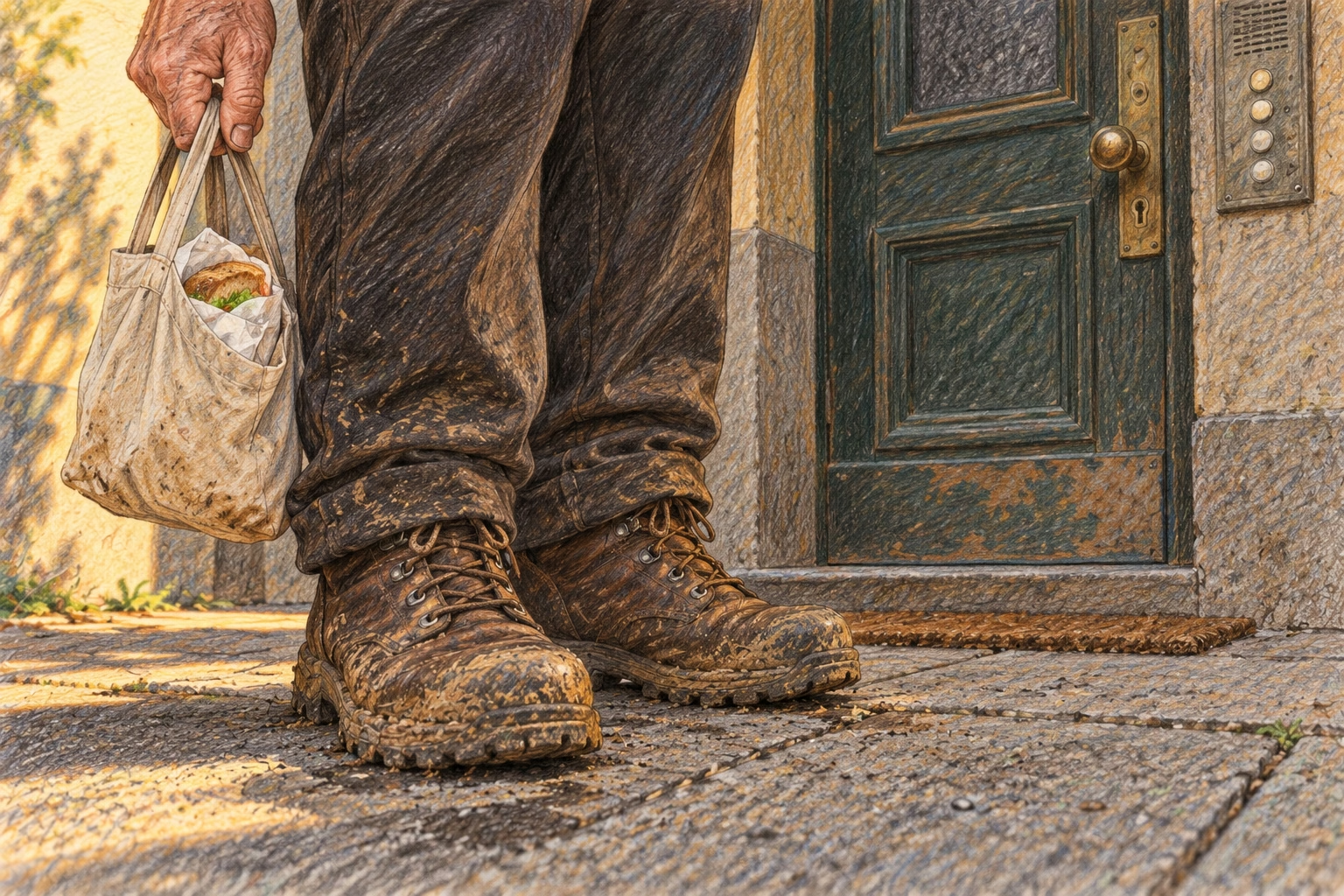
“I was good there, you know. At twelve I was in charge of the fire and the pot for twelve grown men and they came to me for things.” The hammock moved. “And my mum wasn’t speaking to my grandfather. My mum was all about the family name, the piano and the fish knives. My grandfather was a man with dirty boots who waited for me at the street door on Saturdays at half seven. He never once came up to our flat.”
“And your dad?”
“My dad was like him. On the inside. His eyes used to light up when I came back with mud up to my knees. And my mum put him out, the way you put out a stove. A little bit at a time. So nobody’d notice. My mum killed my dad while he was still alive, long before the motorway did.”
Silence.
“When I was thirteen I came back on a Monday instead of a Sunday, because it rained and my grandfather said we weren’t coming down. I missed a day of school. One day.” She laughed with nothing behind it. “At the street door there was a scene the whole street heard. And in the lift, without raising her voice, my mum told me those weren’t people of my class.”
Axel’s hammock stopped moving.
“And the Saturday after, I had English. And that was that. In my house that’s how things end: one Saturday they’re just not there any more.”
“And did you say anything?”
“Nothing. Not ‘please’, not ‘I like it’. I went up to my room.” Eva shifted in her hammock and took a little while to go on. “My grandfather used to get two buses to see me outside school. Half an hour, on a bench, with a sandwich. Four years like that.”
“And when it happened with your parents?”
“He was eighty-two with a fourth-floor flat and no lift. And my mum’s family brought in a lawyer.” The hammock went still. “Then he died.”
Eva said no more about her grandfather. Axel looked up at the branches for a while before finding the courage to tell his own story.
“We went everywhere together,” he said. “Since we were eleven. Rubén was the one who said ‘let’s go’ and I was the one who checked the timetables.”
Eva didn’t move.
“Norway was his idea. We went at nineteen without a penny, and slept two nights in a station. The last one, at two in the morning, we sat on a bench at the harbour eating a bun, with our hats on. And he told me it was the best day of his life.” He laughed through his nose. “At nineteen. On a bench. With a bun.”
He was quiet for a while.
“He died at twenty-three. Nine months from when they told him.”
Eva’s hammock didn’t move.
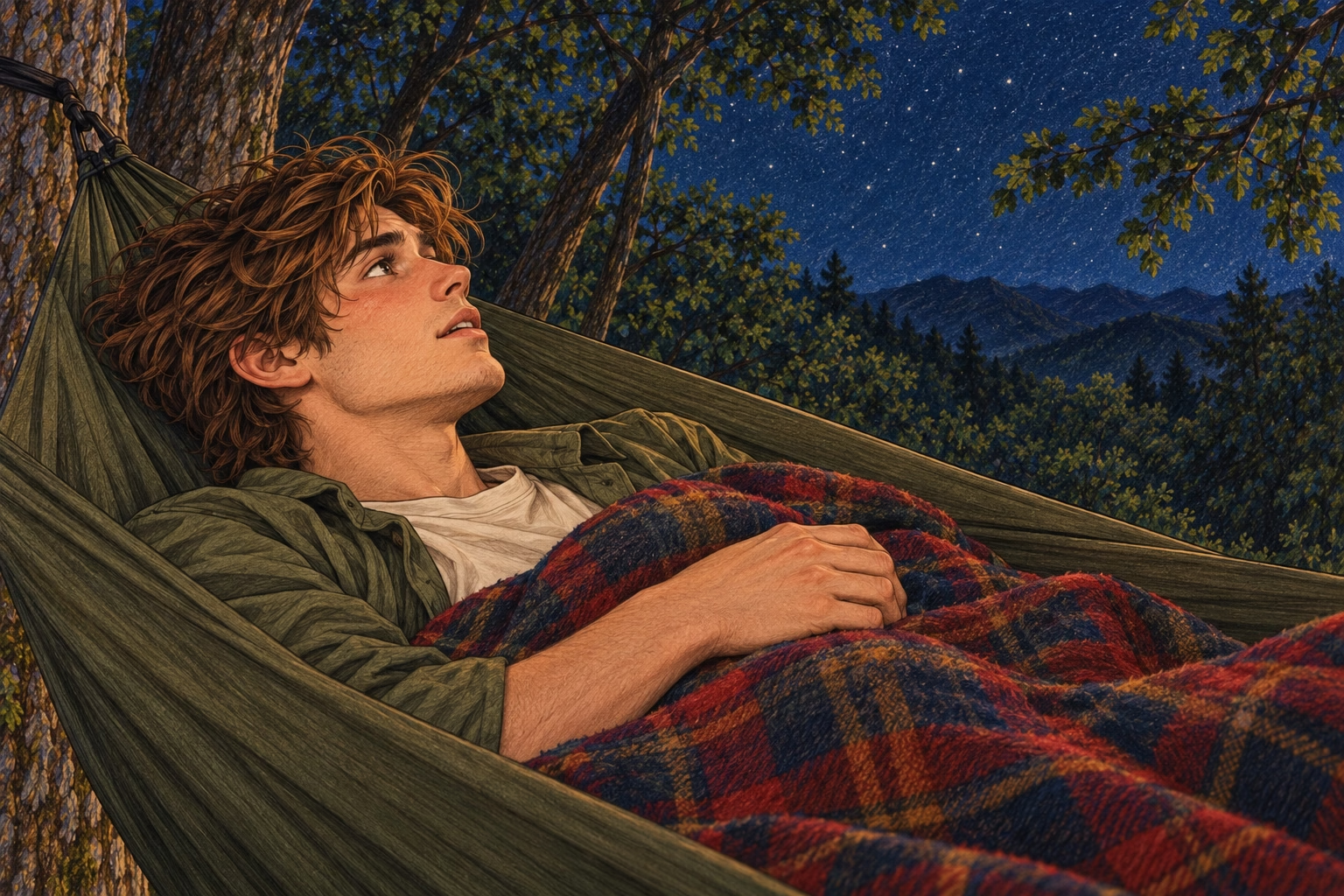
“And I didn’t fall apart, you know. I carried on. Got my degree, worked, had a girlfriend, paid the rent.” He looked for a star between the branches. “The thing is nobody said ‘let’s go’ any more. And I was checking the timetables for nothing.”
“And have you forgotten him?” said Eva after a while.
Axel remembered his face, and the silent laugh that shook his shoulders. All sorts of things came back to him that had never appeared in a single photograph.
“No.”
“There you go, then.”
They stayed like that, hanging there, listening to the chestnut trees.
“Axel.”
“What?”
“The thing about Hortensia’s house, that was you. ‘Let’s go.’ Nobody asked you to.”
“I don’t know how to do anything.”
“I’ll teach you how to build a fire tomorrow. In three days you’ll be doing it even when the ground’s wet. The other thing you already do, you dope.”
And she turned over and went to sleep.
Axel pulled the necklace out from under his T-shirt and held it between his fingers for a while in the dark. They hadn’t taken it because he’d been wearing it.
He tucked the necklace back under his T-shirt, settled himself diagonally and eventually fell asleep, hanging a metre above the ground.