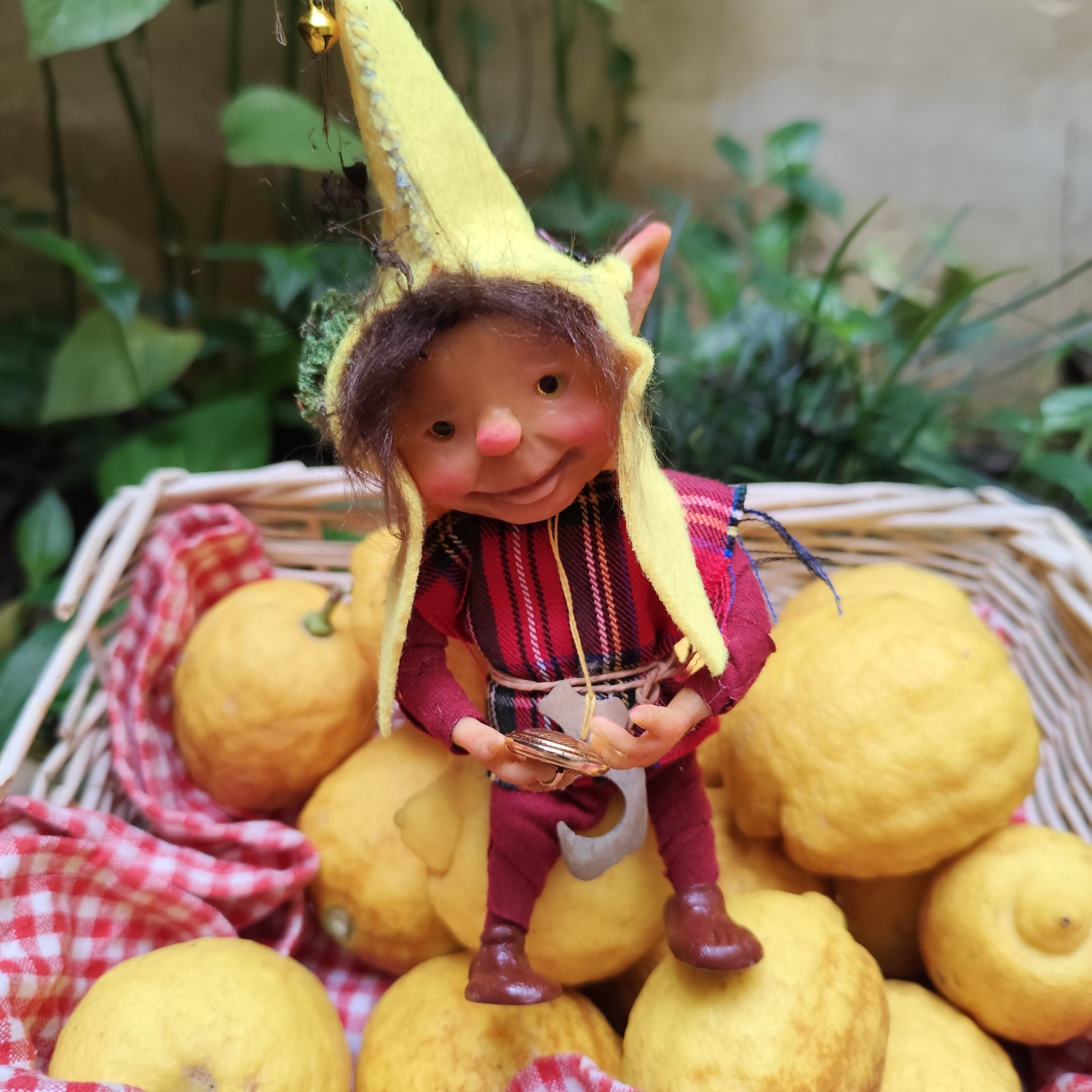
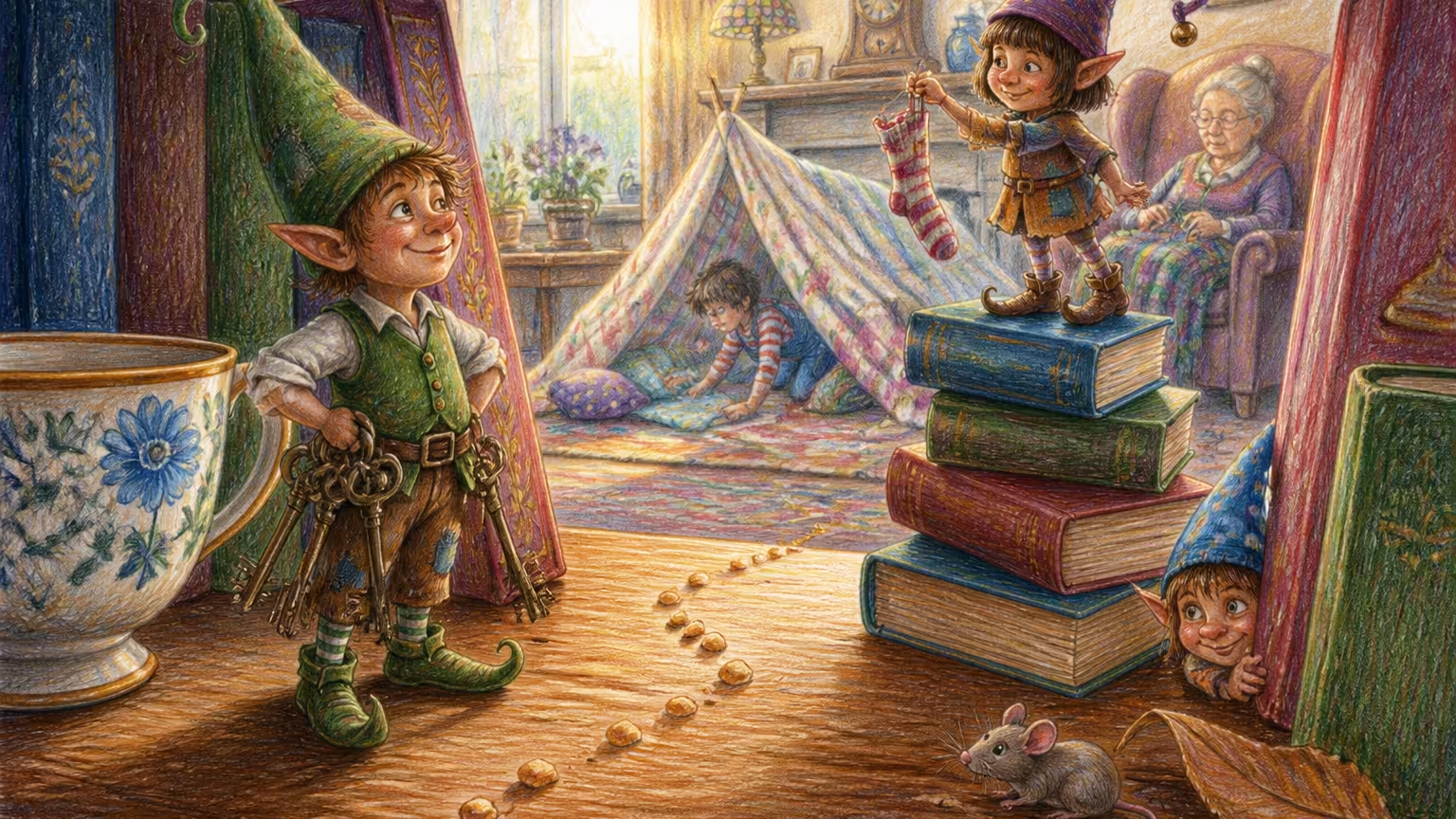
Right, let's settle this. Your Brownie has been sitting there all day, on that shelf, looking absolutely innocent. You walk in, put the kettle on, and assume the place is yours.
Here's the thing. It isn't.
It never was.
What does the word Brownie actually mean?
The name Brownie shows up in Scottish texts from the 16th century, and it does exactly what it says on the tin. It means brown. Brown skin, brown clothes, the colour of earth and wood smoke and everything that smells like home.
Not the pristine, freshly-painted kind of home. The real kind. The one with a worn spot on the floor where someone always stands, and good smells coming from the kitchen, and warmth that builds over years of being lived in. That's Brownie brown. The colour of belonging.
Some folk etymologies link it to the Scots Gaelic tradition of small earth spirits. Others point straight at the physical description in the old tales: small, earthy, wearing brown, nearly invisible against the stone floors and wooden beams of the old Scottish farmhouse. Either way, the name was never accidental. It describes something essential about what they are.
Does that explain why Brownies act like they own the place?
Completely. Because they do.
The old Scottish stories never described Brownies as guests or visitors. They described them as residents. The Brownie didn't knock. It didn't ask. It appeared in your home because your home was its home too, and had been long before you arrived with your furniture and your opinions about where to put the sofa.
In exchange for a bowl of fresh cream and a bit of oat bread left by the fire at night, a Brownie would do the household work while the family slept. Clean, sort, tend to the animals. Quietly, invisibly, and entirely on their own terms. They were, let's be honest, wonderfully cheeky about it.
The same story across Europe
What's brilliant is that the same pattern shows up across European languages. Every household spirit carries a name that quietly tells you who's really in charge. Line them up and the joke writes itself.
| Creature | Where the name comes from | What it actually means |
|---|---|---|
| Brownie (Scotland) | From "brown", the colour | The earth-coloured one, near invisible against stone and wood |
| Duende (Spain) | From "duen de casa", old Castilian | Owner of the house, the one in charge at home |
| Kobold (Germany) | From Greek "kobalos", through Latin | A mischievous rascal, and it named the metal cobalt |
| Lutin (France) | From Old French "nuiton", from "nuit" (night) | Night creature, the one who works in the dark |
| Folletto (Italy) | From Latin "follis", a bellows | A puff of air, gone before you turn around |
Different names, same confession: none of them asked permission to be there. It was never your call to invite them.
Read the full history of household Brownies across Europe and prepare to rethink your idea of home ownership.
Are there other names for a Brownie in Britain?
Plenty, and they barely changed the job description. Cross a county line and the same creature swaps its name without swapping its habits: the hob in northern England, the bwbach in Wales, the ùruisg in the Scottish Highlands, the silkie up in the borders. Same bowl of cream, same nighttime tidying, different accent.
Each region named the lodger after whatever felt like home to them, but they were all describing the same neighbour with a key to the door. Go a little further and you'll find the same creature wearing twenty names around the world, from the Scottish Brownie to the Russian domovoi.
The colour of home
There's something genuinely lovely about the etymology, when you sit with it.
Brown isn't glamorous. It's not the colour of magic in any fairy tale you've been told. But it's the colour of the kitchen table after years of meals. Of the worn spot on the armchair. Of old wood and good bread and firelight.
The Brownies were named for exactly that. Not for spectacle. Not for power. For presence. For the quiet kind of magic that comes from being somewhere long enough to belong there completely.
Which is, honestly, all we've ever been about.
If you'd like to meet the Magikitos looking after your home, they're there. They've been there a while, actually. Just waiting for you to notice.