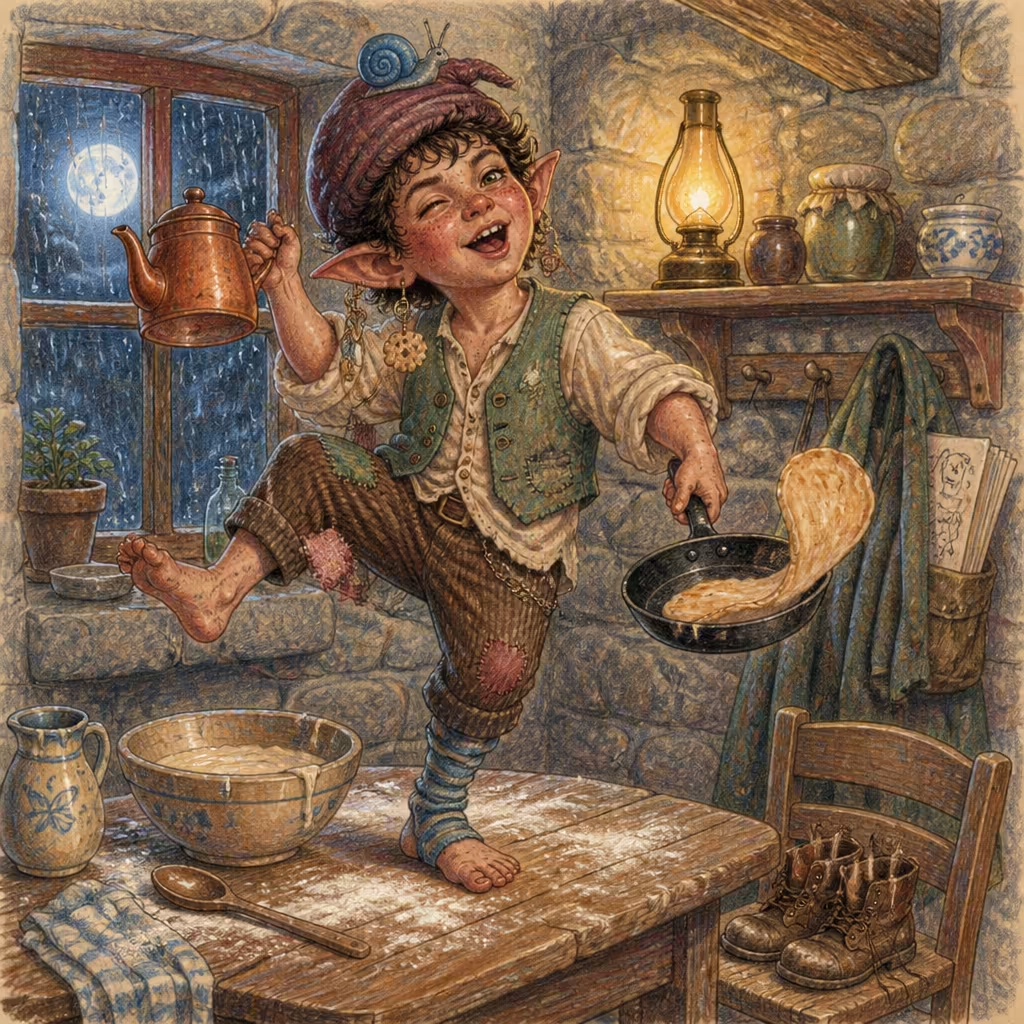
What it means
Banter is that quick back-and-forth piss-taking between mates where the shots are cheeky, not cruel. It’s playful teasing with a bit of spark to it, and when everyone’s in on the rhythm, it keeps the whole room buzzing. If someone pushes it past the smile line, it stops being banter and turns sour.
Usage examples
"The lads gave him pure banter about his haircut all night, but he gave as good as he got and we were crying laughing."
"The banter on the team coach back from the away match in Galway was relentless, three lads in stitches over a single haircut joke that mutated for the whole two hours of the M6 motorway journey home."
"Office banter at the agency is gold most days, but the new bloke from the merger does not quite get the rhythm yet, so we have all agreed to dial it back until he finds his feet around the kettle area."
"It was ruthless banter in the pub after five-a-side, but fair play, he started it with that tragic trim."
"Don’t take it to heart, mate, it’s just banter, if they went quiet on you that’s when I’d worry."
Where it comes from
Banter has been in English since the late 17th century and was already getting noticed as a fashionable slang word by the 1690s, with Jonathan Swift poking fun at it early on. The exact source still isn’t pinned down, but the word itself is old, established, and long woven into British and Irish everyday speech.